





What's Your Color? White
There is a unique sense of pride that comes from decorating your home with homegrown floral arrangements harvested directly from your backyard. Success starts with a strategic cutting garden layout that prioritizes high-yield stems and easy access for frequent snipping. By focusing on the best flowers for bouquets—those with sturdy stems and long vase lives—you can ensure a steady supply of color indoors. Whether you are just starting a cut flower garden or looking for better techniques for harvesting fresh flowers, these five tips will help you cultivate a space that is as productive as it is beautiful.

Incrediball® Smooth Hydrangea Hydrangea arborescens
Using White in the GardenColor is what gardening is all about. Each color of the rainbow, and some that aren't in the rainbow, has a role to play in gardens. Bright, hot colors create a party atmosphere, blues and purples are like a cool drink of water and white, well white glows. In gardens, as in fashion, white is considered to be a neutral color. It works in combination with any other color or colors. When paired with bright or dark colors, a striking sense of contrast is created. You can see how white creates a wonderful sense of contrast in the photos below. |  |  |
When mixed with softer colors, it adds subtle contrast and additional depth to plantings. White also works to make a garden feel cool and serene.


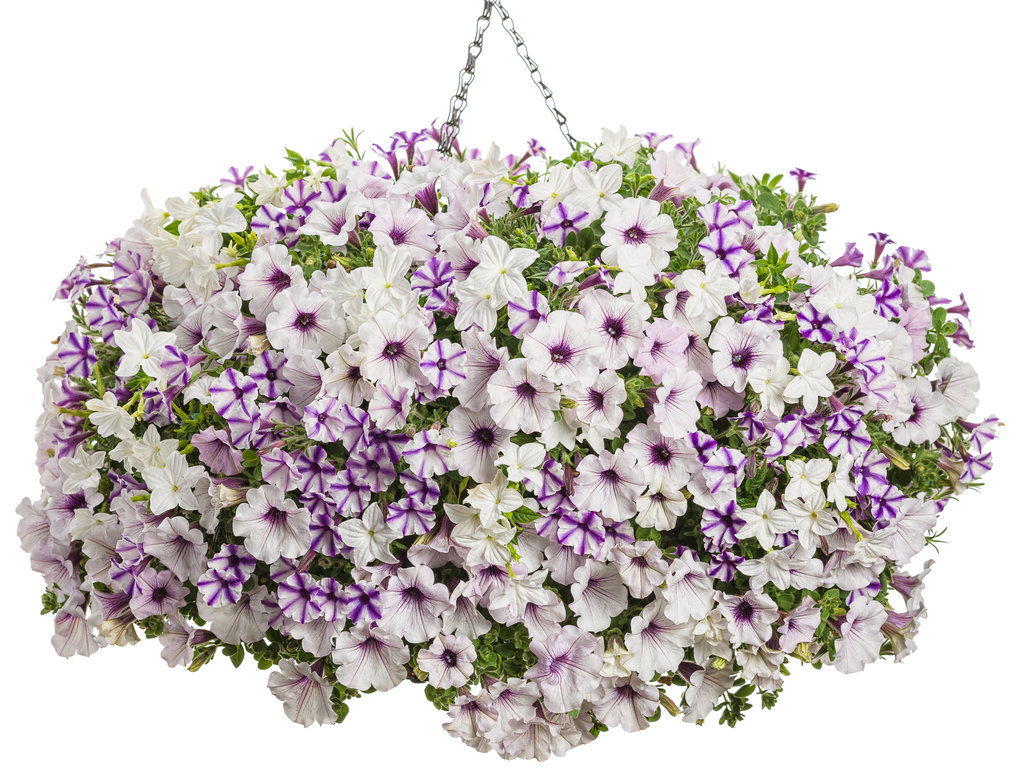
Many of us find it hard to stick to a specific color theme. In cases where you want to plant a wide range of colors across your property, white can be used as unifier running through all of the different planting areas. A repeated plant or color that is used throughout the garden works to pull the disparate elements of your design into a more coherent whole. Neutral colors work best as the unifier since they work with every other color. The other neutral colors are grey, black, tan and green. These colors generally aren't found in flowers and don't have enough presence in the beds to act as a unifier. White has the needed presence to become that unifying piece of the puzzle. You also might find that more often than not you spend time in your garden early in the morning and later in the day when the light is lower and most colors tend to blend in with their surroundings. In these conditions, white is like a beacon in the darkness. This makes it the perfect color to use for gardens that are often experienced in morning and evening. The white garden at Sissinghurst is probably the most famous white garden in the world and proves that an all, or mostly, white garden can be quite a beautiful and serene experience. When thinking about white gardens, include silver foliage as part of your color palette. Silver will function in your planting the same ways white does. |
|

While white just automatically works with any other color under the sun, if you are going to take the plunge and create an all white garden there are few things you should consider. White flowers are rarely pure white. They are often a slight blush pink, green, blue, purple, yellow or green. While these disparate white tones can work spectacularly well together, you do need to see them and make sure they appeal to you. As always when you are designing your garden, your personal preferences are important and finding the white combination that fits you can take time. |  |  |
While apricot, golden orange and copper are all colors of orange, there is a huge variation in tone within that general color class. That wide differentiation in color by itself creates contrast. Since different shades of white are comparatively similar in tone it is more important than usual to pay attention to texture when creating completely or mainly white gardens. To keep the planting interesting it will be important to pair frilly, soft looking plants with large flowers or bold foliage. Maybe put round daisies with spikey Angelonia. These differences in size, texture and shape will keep the design interesting and allow each plant another to contrast against.
 |  | If texture is too similar your all white garden will have a tendency to devolve into a bit of a mess, without good distinct shape to make the different plants stand out. Liberal use of foliage plants in a range of colors - deep green, green, chartruese and black - is another great way to add structure and contrast. Since these colors are all neutral, they will play well together. It is also good to repeat certain plants, which will also help to tie everything together. |

Gardens that are primarily white or all white can be truly magical places. If careful attention is paid to texture and balance these gardens can be gorgeous in both low light and mid-day sun.
Want to learn more about using color in the garden? Check out these links:
- Browse plants with white flowers in our plant library.
- Check out container garden ideas with our Recipe Search.
- Learn more about using black, chartreuse and orange in your garden.